

Activity
Sport Freediving
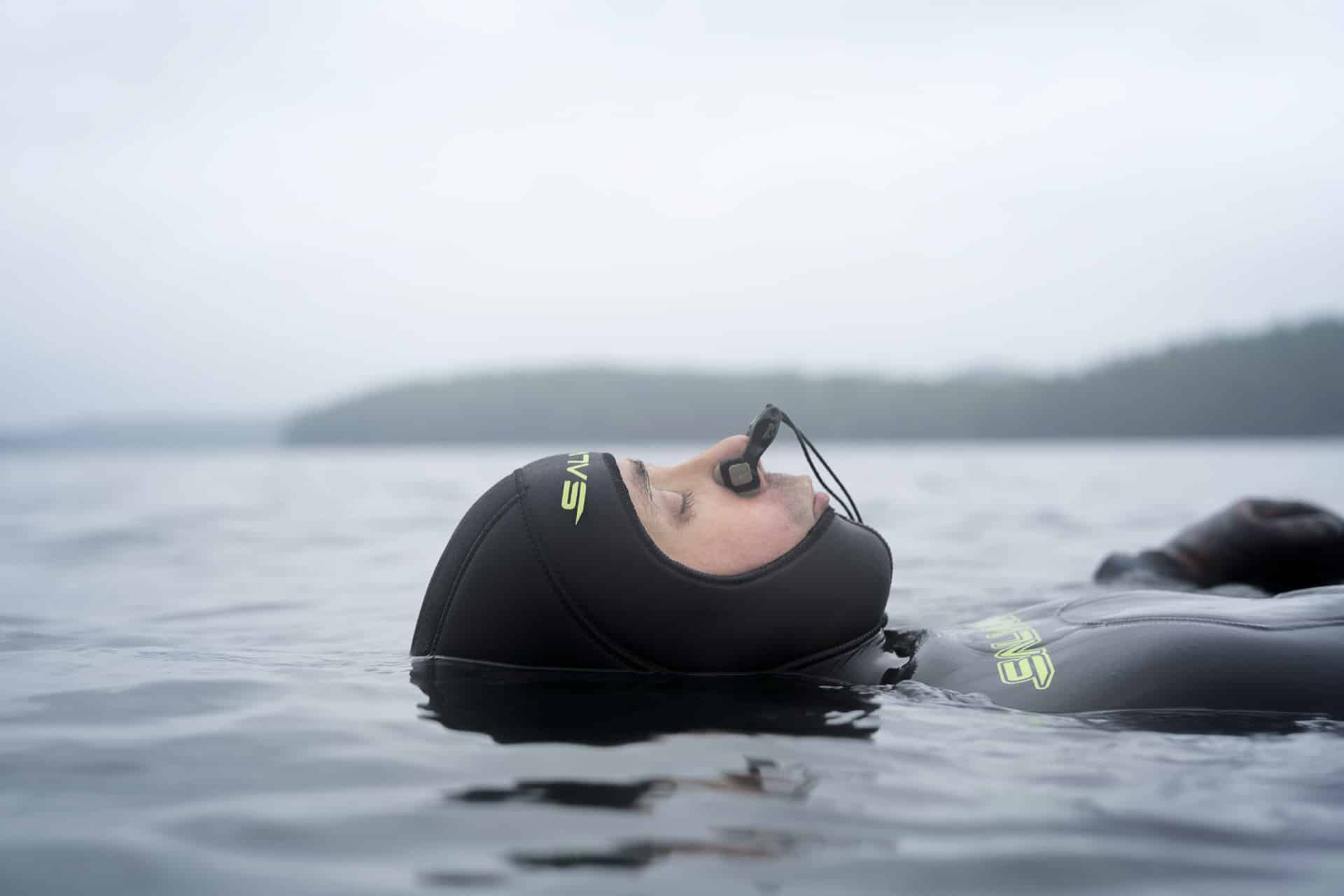
Photo : Alex.C.Oz

A World to Discover
Practicing freediving lets you explore the underwater world with minimal gear — and maximum enjoyment!
Here’s a brief overview of the three most well-known and widely practiced disciplines in sport freediving.
Static Apnea
Static apnea simply involves staying underwater for as long as possible. To conserve air, the freediver either submerges or floats while moving as little as possible.
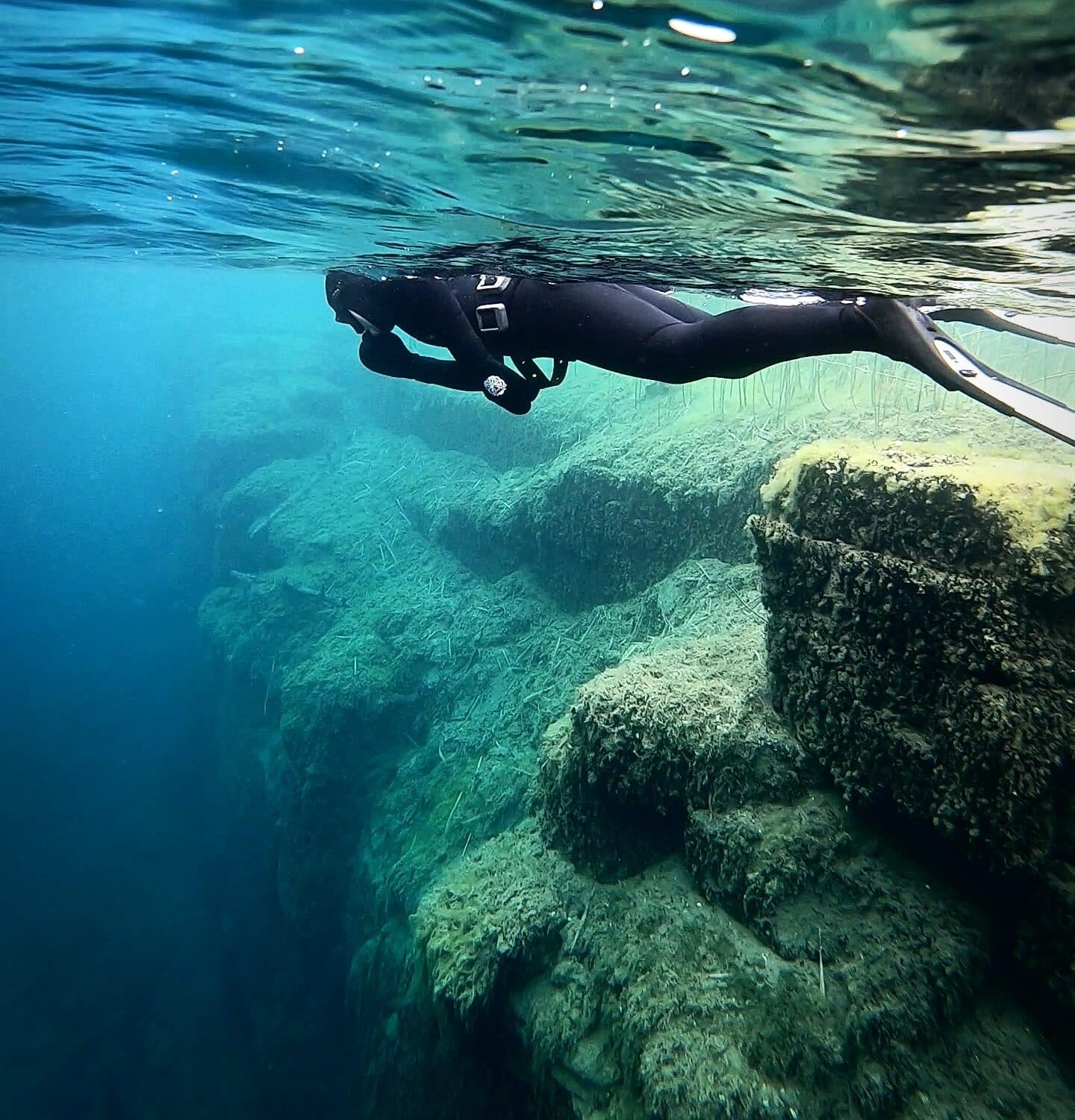
Photo : Marie Nick Gagnon
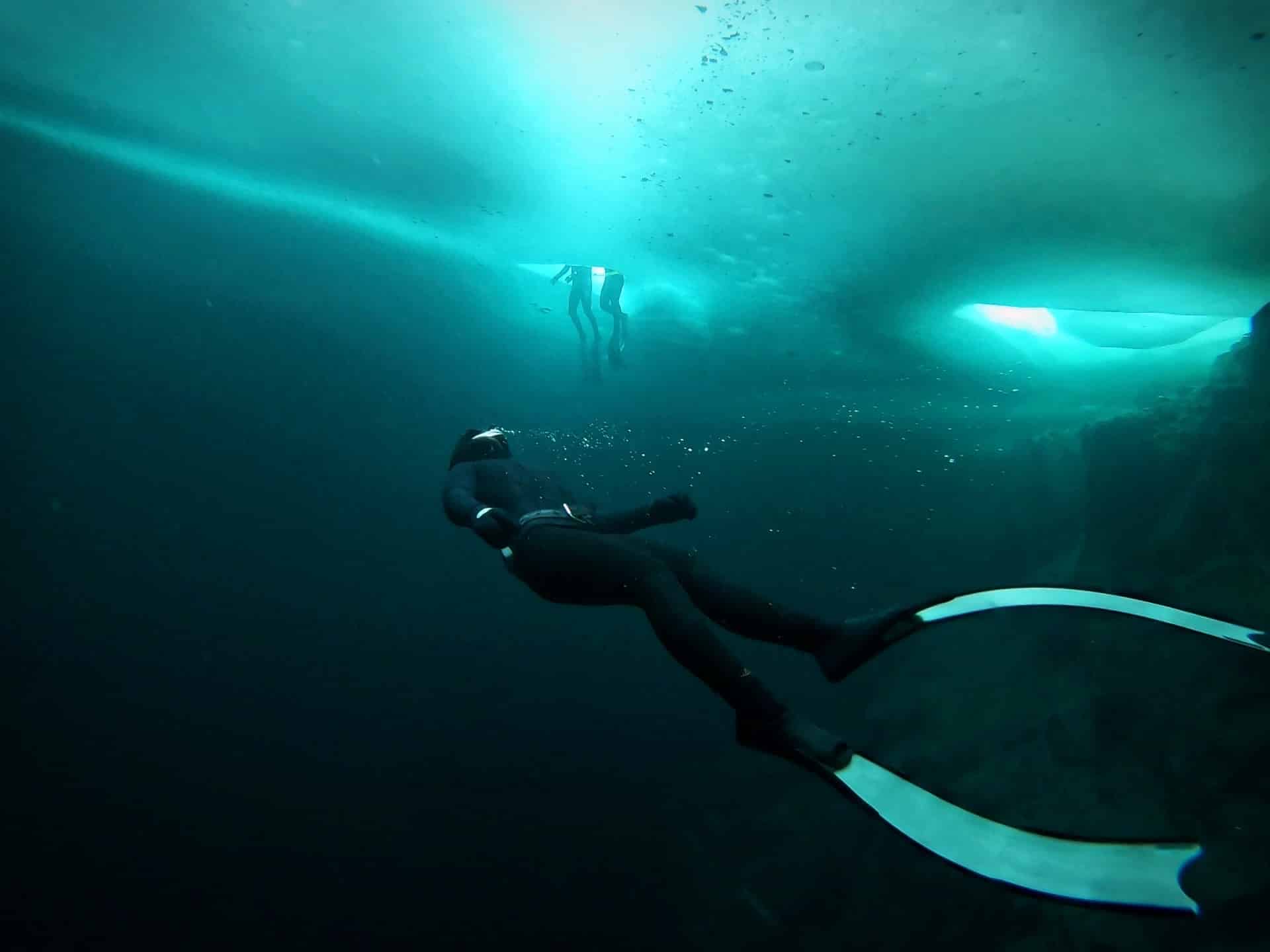
Photo : Marie Nick Gagnon
Dynamic Apnea
Dynamic apnea involves covering the greatest possible horizontal distance underwater.
Photo : Marie Nick Gagnon
Depth Apnea
Depth apnea involves reaching the greatest possible depth underwater. This includes constant weight apnea, free immersion, variable weight, and no-limit disciplines.
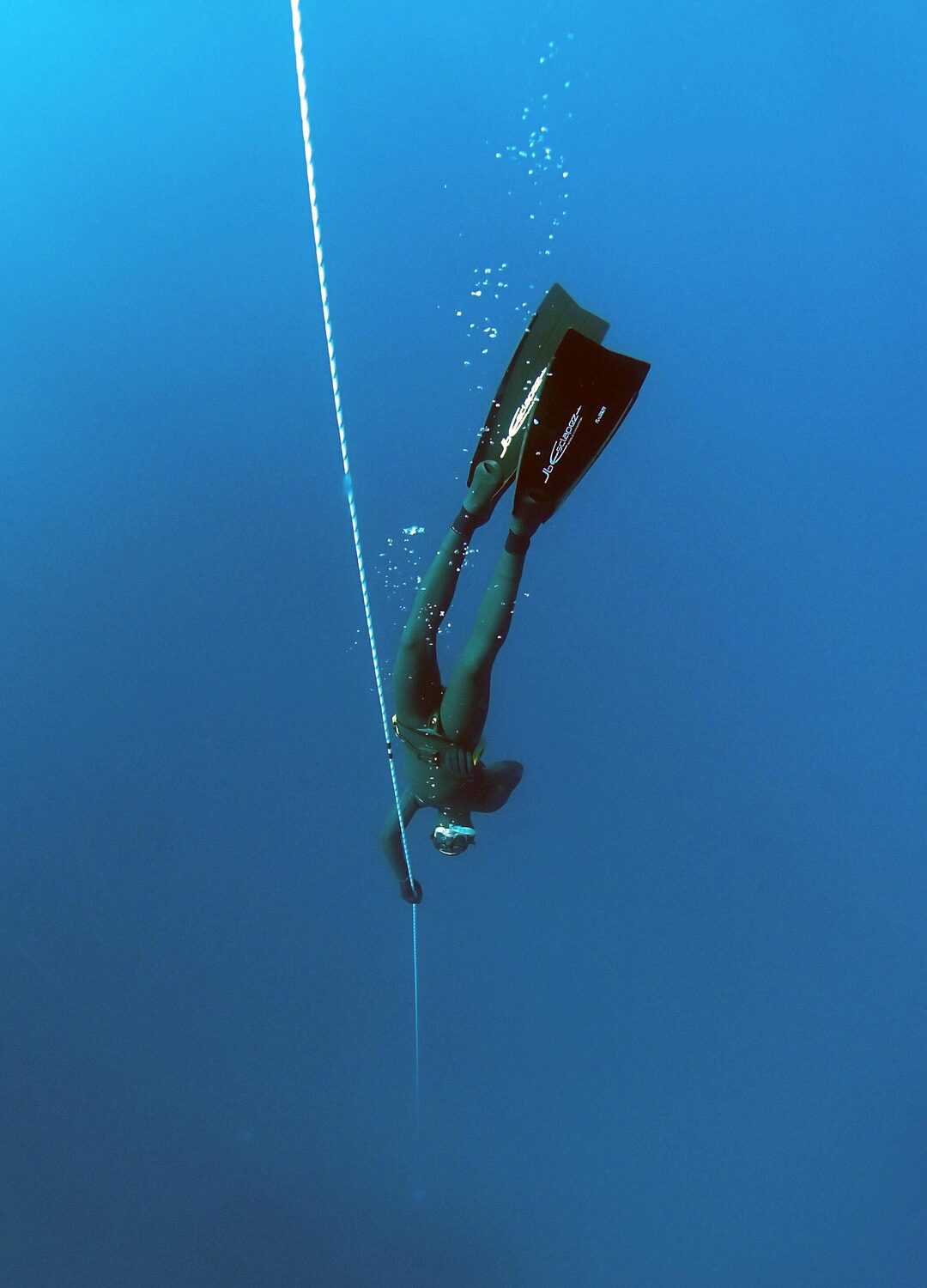
Photo : Pixabay
Why Choose Sport Freediving?
Freediving allows individuals to tap into their natural adaptive abilities while opening the door to the underwater world. Practiced underwater, it offers a sensation of weightlessness and unlimited freedom of movement — a source of ever-renewed enjoyment.
Beyond its relaxing effect, sport freediving blends elements of swimming and meditation. It’s a complete discipline that calls for self-control, body awareness, and constant effort to improve and surpass one’s limits. The different disciplines help freedivers get to know their boundaries and gradually expand them.
Still, the pure joy of getting in the water and experiencing that sense of freedom remains the true heart of this sport — and every freediver will tell you the same! No other underwater activity delivers the same sensation of freedom as freediving.
Who Is Freediving For?
Because it requires minimal equipment, freediving is an accessible sport for everyone. You don’t need to be a high-level athlete to get started. However, after just a few sessions, the desire to progress often goes hand in hand with the motivation to improve your physical fitness!
With regular practice, you’ll enhance your flexibility, endurance, and fluidity — and, of course, your cardiovascular capacity!
Safety Regulations – Sport Freediving (FR)
Safety Practice and Supervision Guide (GPES) – Sport Freediving (FR)
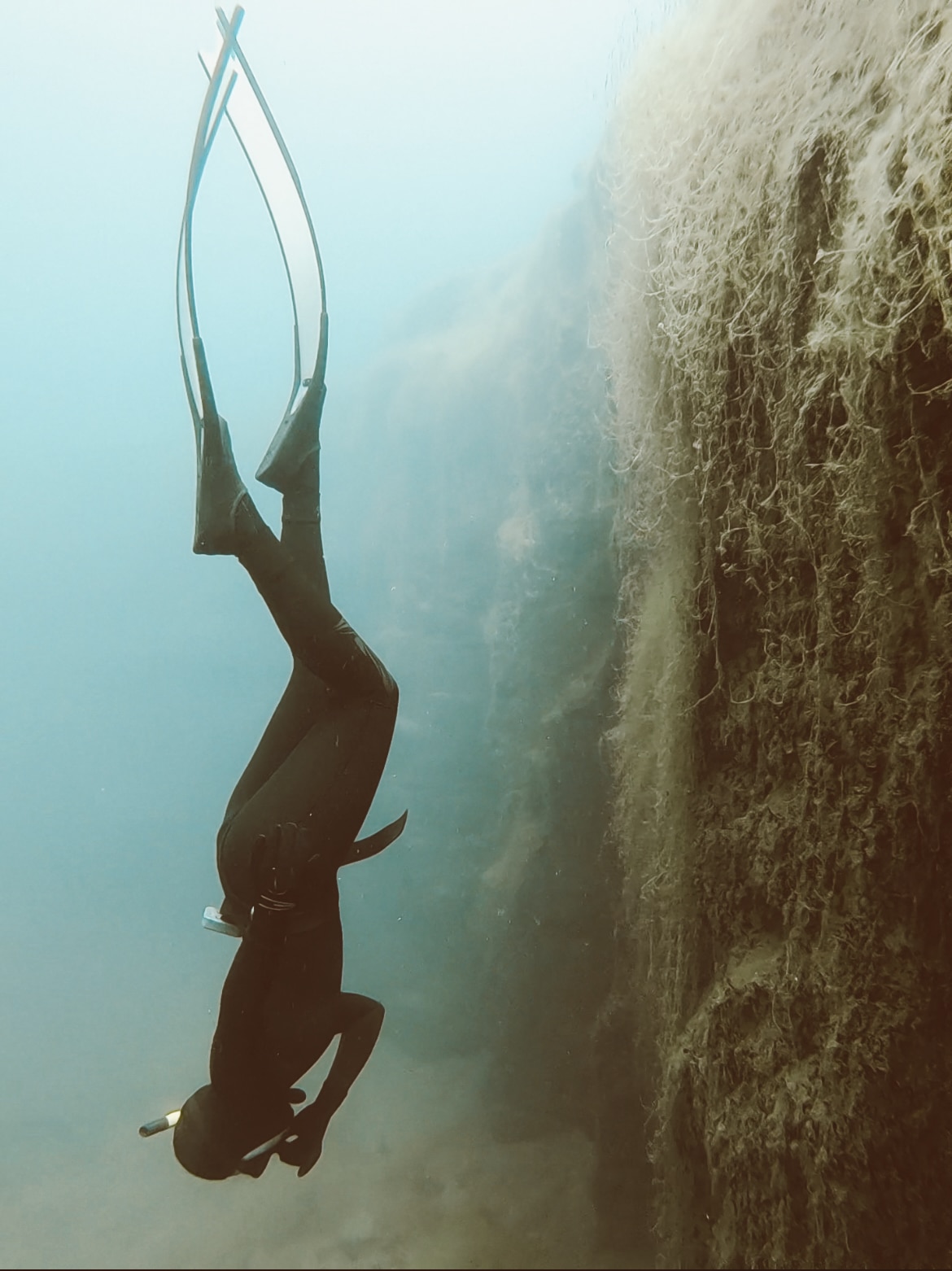
Photo : Marie Nick Gagnon
Frequently asked questions
Frequently asked questions (FAQ)
What Is Sport Freediving?
Sport freediving is an underwater discipline that involves staying underwater for as long as possible. It can be practiced in a pool or open water and includes several disciplines depending on the goal: time, distance, or depth.
What Are the Main Sport Freediving Disciplines?
● Static apnea: staying underwater for as long as possible.
● Dynamic apnea: covering the greatest possible horizontal distance underwater.
● Depth apnea: reaching the greatest possible depth. It includes several variations such as constant weight, free immersion, variable weight, and no-limit.
Why Practice Freediving?
Because it offers a unique blend of relaxation, self-improvement, and connection with the underwater world, freediving allows for:
● Better body awareness
● A relaxing effect similar to meditation
● Gradual improvement in physical fitness (flexibility, stamina, breathing, endurance)
● An unmatched sense of freedom
Is It a Sport for Everyone?
Yes! Freediving requires little equipment and doesn’t demand elite athleticism to get started. All you need is the desire to explore and progress at your own pace — even beginners quickly find enjoyment in the experience!
Do You Need to Be Certified to Freedive in Quebec?
Sport freediving requires certification, which is issued through recognized sport freediving schools.
📄 Refer to the Sport Freediving Safety Regulations (FR) to learn more about applicable requirements.
Where Can You Practice Sport Freediving in Quebec?
Freediving can be practiced:
● In pools, as part of a course or training session
● In open water — lakes, rivers, or the St. Lawrence River — with appropriate supervision as required
To get started or improve your skills, you can contact clubs or schools affiliated with Québec Subaquatique, or visit a recognized freediving center.
Is It Dangerous?
Like any underwater sport, freediving must be practiced with strict safety guidelines:
● Never dive alone
● Know your limits
● Take training appropriate to your level
● Be accompanied by a professional or an experienced dive buddy